The flagship qualification
EduQual Diploma in Implant Dentistry (SCQF Level 11)
The flagship qualification — advanced training in surgical and restorative implant dentistry.
This cohort is full — October 2026 intake, England.
- Scotland & North England, cohort 1 — starts spring 2027; applications open now.
- England, cohort 5 — starts October 2027; applications open now.





Surgical & restorative, end to end.
Planning & assessment
Surgical planning, patient assessment and case selection.
Placement techniques
Implant placement, mentored from planning through to surgery.
Restorative & follow-up
Restorative integration and long-term follow-up.
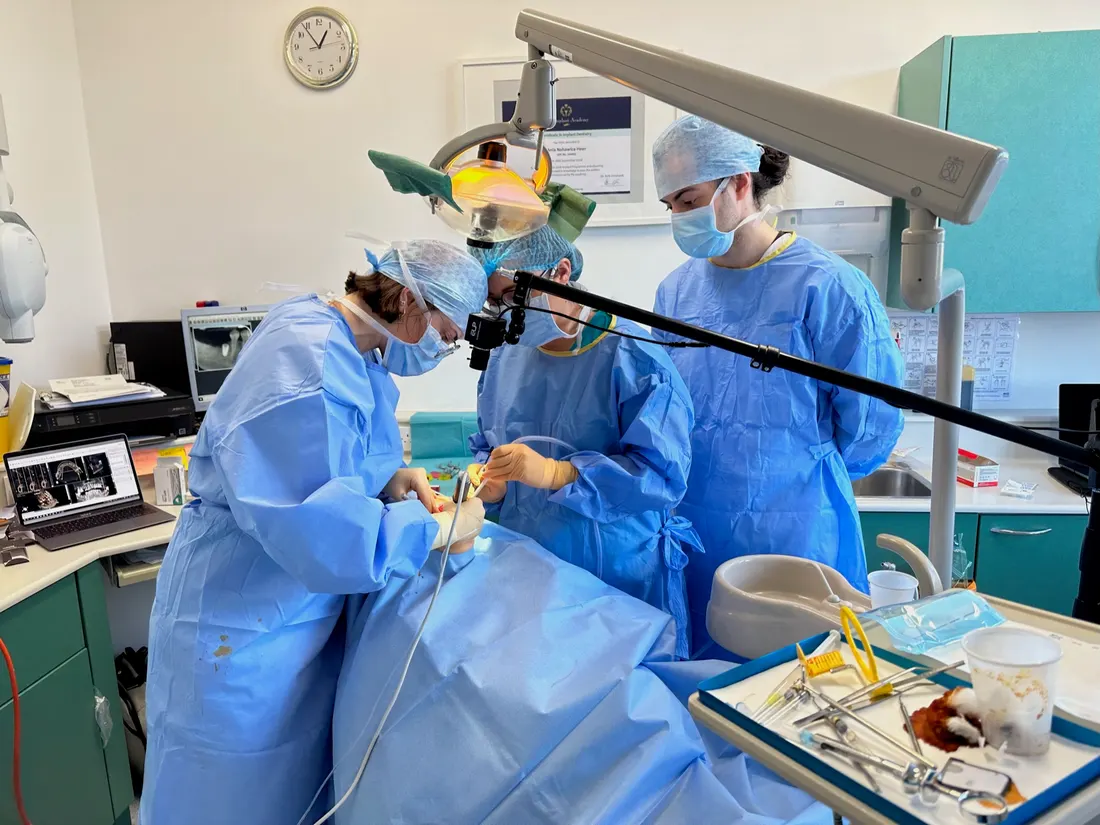
Hands-on clinical sessions.
Apply using our application form — fees and payment plans are set out separately on our fees & financing page.
Apply now →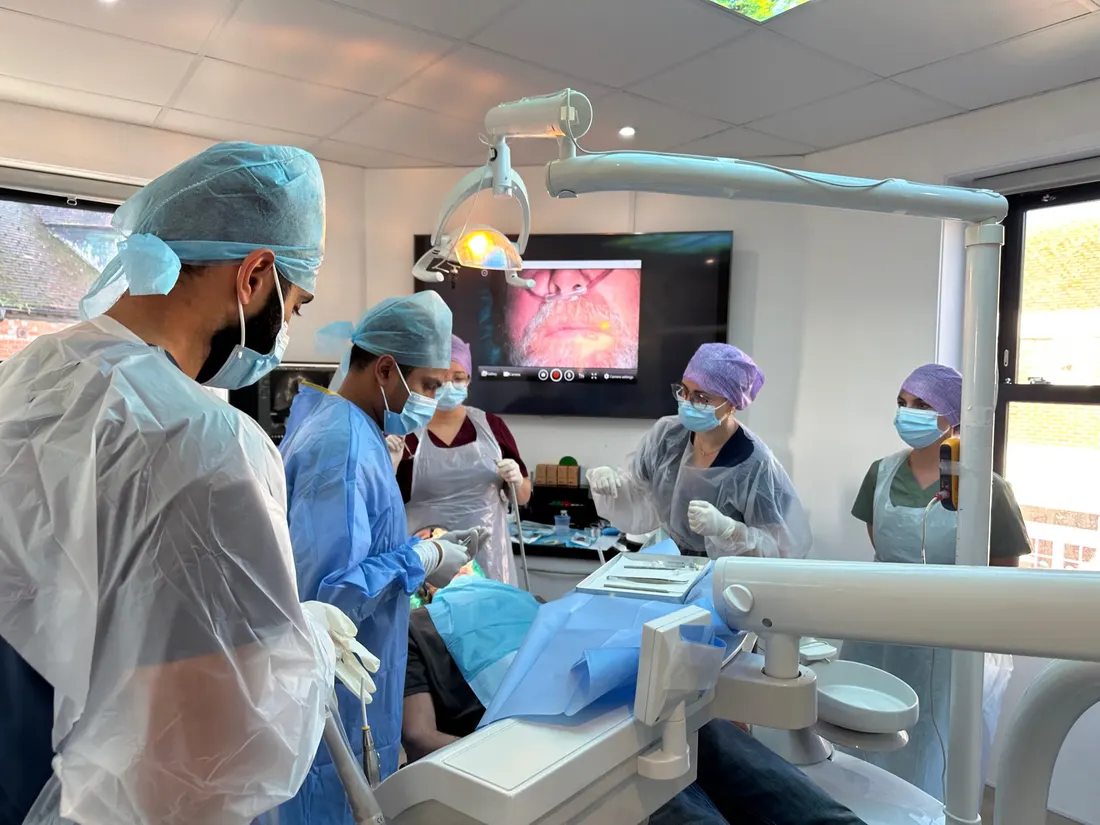
Key facts
The essentials of the Diploma programme at a glance.
Location
Dental Implant Centre Twyford, 1 Church Street, Twyford, Reading RG10 9DP — in Berkshire, around 25 minutes from Heathrow (M4), with direct rail links via Twyford station (Elizabeth line and GWR).
Faculty
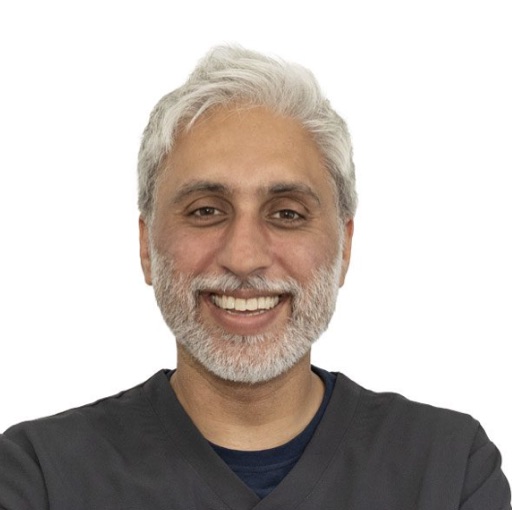
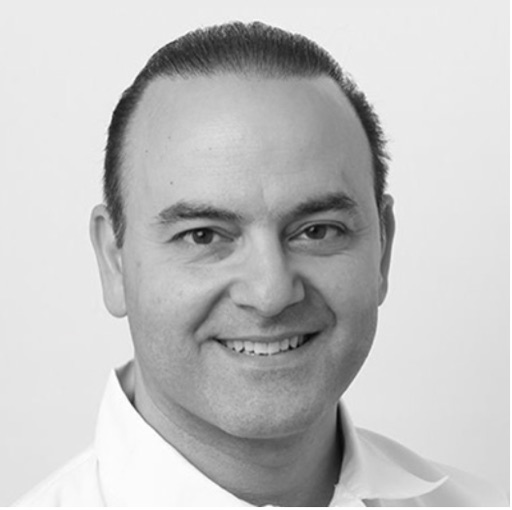
Over 145 years' combined clinical experience across the faculty — clinicians who deliver training for an EduQual-awarded qualification.
CPD
480 hours of verifiable CPD across the programme.
CBCT and digital planning
CBCT Level 1 and Level 2 training, with digital implant planning in Blue Sky Plan using CBCT and intra-oral scan data.
Friday–Saturday modules
Modules run Friday–Saturday — one working day out of practice per module. The exams module runs Friday–Sunday.
What to bring
A Windows laptop with Blue Sky Plan, loupes and scrubs at every module. See the full list.
Getting here
Around 25 minutes from Heathrow by car (M4), in Berkshire — and direct trains run from Twyford station to London Paddington. Convenient for UK and international delegates alike.
Course dates 2026–28
Twelve modules over eighteen months at the Dental Implant Centre Twyford. Modules run Friday–Saturday. Clinical cases depend on patient availability and suitability — see what to expect in the full syllabus.
Module 1 — 23–24 October 2026
Implant Foundations, Patient Assessment and Safe Practice
Establish the scientific, clinical and professional foundations for safe implant care.
Module 2 — 13–14 November 2026
CBCT Level 1 and Level 2 Training, Digital Planning and Surgical Preparation
Plan the intended restoration, assess anatomical risk and demonstrate readiness for supervised surgery.
Module 3 — 29–30 January 2027
Supervised Implant Placement and Early Healing
Apply a planned surgical sequence and evaluate early healing under clinical supervision.
Module 4 — 19–20 February 2027
Implant Restoration: From Impression to Crown
Develop the core skills needed to record, design and deliver straightforward implant restorations.
Module 5 — 23–24 April 2027
Bone Defects, Ridge Preservation and Guided Bone Regeneration
Recognise bone defects and justify appropriate augmentation, staging and referral decisions.
Module 6 — 18–19 June 2027
Implant Complications, Peri-implant Disease and Patient Safety
Recognise complications, formulate management plans and identify when escalation is required.
Module 7 — 16–17 July 2027
Posterior Maxillary Implants and Sinus Augmentation
Evaluate posterior maxillary treatment options and understand the principles and limitations of sinus augmentation.
Module 8 — 17–18 September 2027
Implant Placement Timing, Loading Decisions and Tissue Management
Integrate placement timing, loading strategy and tissue management into a defensible clinical plan.
Module 9 — 12–13 November 2027
Definitive Prosthodontics, Aesthetics and Long-Term Maintenance
Refine restorative decisions and establish a documented pathway for long-term implant care.
Module 10 — 21–22 January 2028
Full-Arch Rehabilitation and Advanced Treatment Options
Evaluate complex treatment pathways and understand full-arch workflows, advanced options and referral limits.
Module 11 — 10–11 March 2028
Clinical Consolidation, Portfolio Completion and Examination Preparation
Consolidate competence, close learning gaps and prepare complete evidence for final assessment.
Examination cases must be completed by this module.
Module 12 — Examinations — 5–7 May 2028
Final Examinations and Assessment
Demonstrate integrated knowledge, clinical judgement, practical competence and reflective professional development.
Common questions
Before you apply.
How much time will I need out of practice?
Modules run Friday–Saturday — one working day out of practice per module. The examinations module runs Friday–Sunday.
When do I start placing implants?
Supervised implant placement begins in Module 3, in cases approved through ImplantCheck once your competence has been assessed. Cases depend on patient availability and suitability, so no case type is guaranteed in any module; where no suitable patient is available, the session uses models, pig-head exercises or digital planning instead. See what to expect from clinical training.
Not ready to train yet — where do I start?
Start with our free 15-minute faculty lecture, What every general dentist should know about dental implants — implant anatomy, maintenance and referral basics, chaptered with a full transcript.
Add a university Master's
After your diploma you can go on to the Master of Science in Implant Dentistry, delivered and awarded by Universidad Rey Juan Carlos (Madrid). Entry is assessed by URJC.
The award
The EduQual Diploma in Implant Dentistry (SCQF Level 11) has been credit rated by EduQual for the Scottish Credit and Qualifications Framework (SCQF). This qualification is regulated by Qualifications Scotland Accreditation. SCQF Level 11 is equivalent to Level 7 on the Regulated Qualifications Framework (RQF) in England and Northern Ireland.
Successful graduates may also use the College postnominal Dip.Imp.Dent(BCDIS). BCDIS is an EduQual-approved Centre.
Raise your standard.
Applications for the Diploma are made on our application form — fees and financing are published separately.